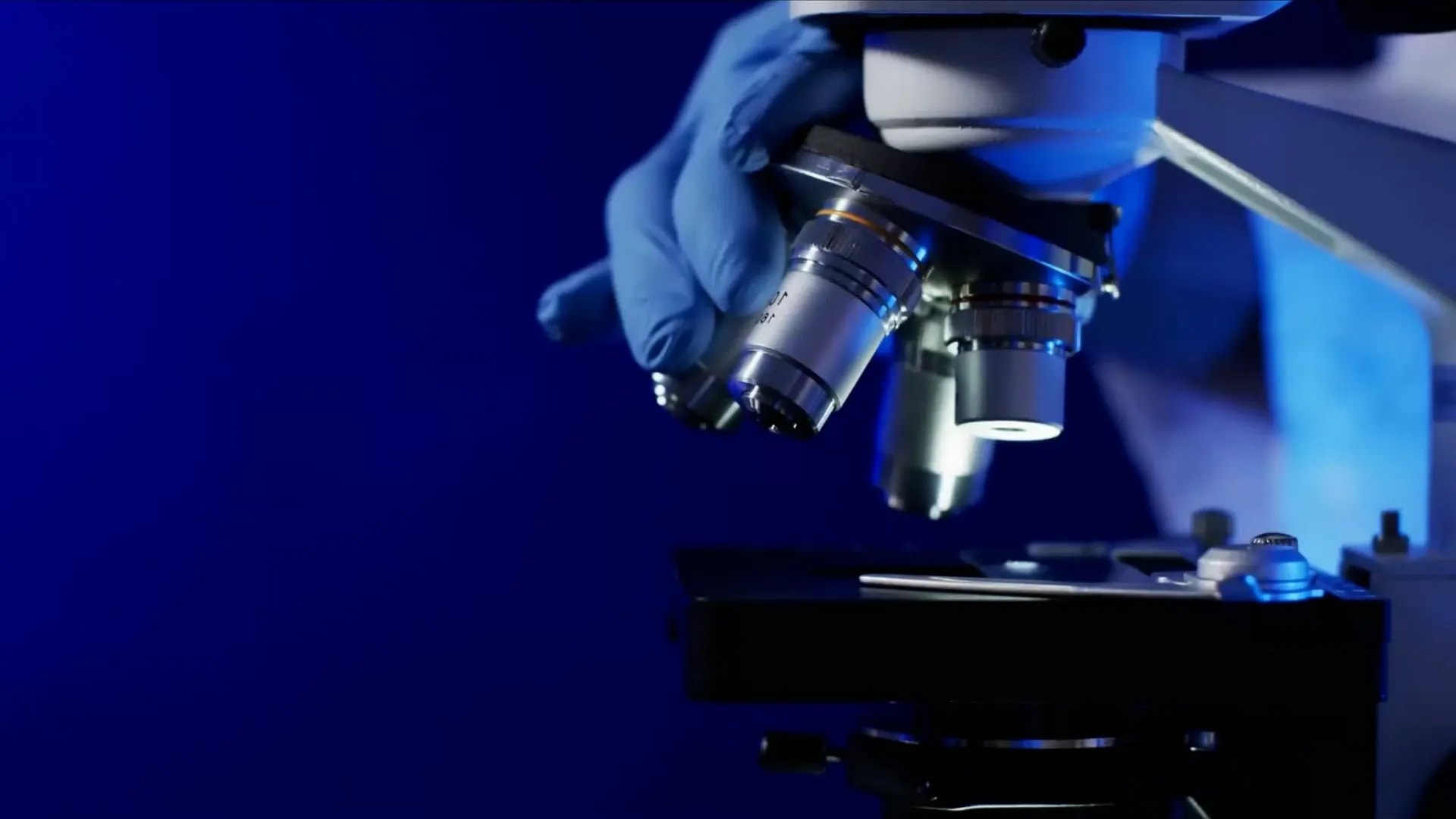
 Esobit Datalink: discover how to make your laboratory smarter" loading="lazy">
Esobit Datalink: discover how to make your laboratory smarter
Introduction
In the daily work of an analytical laboratory, we often observe the same paradox: while instrumentation becomes increasingly advanced, data import into the LIMS, Laboratory Information Management System, is still too often manual, fragmented, and vulnerable to errors.
At Esobit, we developed Esobit Datalink, a software solution designed to automate the transfer of instrument-generated data to the LIMS, eliminating repetitive tasks, reducing transcription errors, and improving traceability and quality control.
The key point
Esobit Datalink acts as a bridge between analytical instruments and the LIMS, turning scattered files and manual imports into an automated, controlled, and traceable data flow.
The laboratory data challenge
Most laboratories manage a highly heterogeneous instrument portfolio: HPLC, GC, gas chromatographs, ICP, and many other devices. Each instrument produces files and results in different formats: CSV, TXT, Excel/XLS, ODS, XML.
This “Tower of Babel” of formats creates a barrier between the instrument that generates the data and the laboratory information management system, the LIMS, that must store it correctly.
The main challenges we encounter most often are:
- Manual entry of results into the LIMS: repeated transcription and imports increase the risk of errors, including decimals, rounding, units of measure, and complex parameters.
- Operational time loss: technicians spend hours managing files, folders, copies, checks, and re-entries.
- Insufficient traceability: it becomes difficult to clearly reconstruct who imported what, when, and with which changes.
The practical issue
When laboratory data must be adjusted manually before reaching the LIMS, the process becomes slower, more fragile, and harder to defend during checks, audits, and quality reviews.
Who is involved
Instrument–LIMS integration affects several roles inside the laboratory, because it connects analytical work, operational efficiency, quality control, and data traceability.
- Laboratory technicians, who manage exports, checks, corrections, and data imports every day.
- Laboratory managers, who need shorter turnaround times, fewer bottlenecks, and more predictable workflows.
- Quality managers, who must ensure traceability, auditability, and consistency of analytical data.
- IT and LIMS managers, who need reliable integrations, controlled data flows, and maintainable rules.
- Multi-site organizations, where standardization and scalability become even more important.
The solution: Esobit Datalink
Esobit Datalink is an instrument–LIMS integration software designed to transform laboratory data flow into an automated, controlled, and traceable process.
In practice, Datalink:
- collects files generated by instruments;
- interprets and normalizes them;
- applies formatting rules and validations;
- sends results to the LIMS in the correct way.
It acts as an operational bridge between analytical instrumentation and the LIMS, designed to make processes more efficient and increase data reliability.
When the instrument–LIMS workflow requires specific rules or connections with existing systems, a software integration approach can help build a data flow that matches the laboratory’s real operations.
A simple analogy: the laboratory as an airport
Imagine the laboratory as a large international airport: each instrument is an aircraft speaking a different language, data are passengers heading to the terminal, the LIMS, and without coordination, passengers risk errors and delays.
Esobit Datalink is the control tower and the automated shuttle: it understands every language, coordinates arrivals, and delivers each piece of data exactly where it needs to go.
Key features
Automates data import and transfer to the LIMS
Esobit Datalink eliminates manual and repetitive steps when loading instrument data, reducing the time spent on file handling and repeated checks.
Structured and controllable data import
The system helps prevent typical formatting and data consistency errors, making the import process more reliable and easier to govern.
Secure delivery to the LIMS
Rules, sample status checks, and overwrite prevention help ensure that results are sent to the LIMS in a controlled and consistent way.
Compatibility with common instrument file formats
Datalink can work with TXT, CSV, ODS, XLS, and other native formats commonly generated by laboratory instruments.
Audit trail and traceability
Detailed change logs support quality control, audits, and ISO-compliant environments, helping the laboratory reconstruct what happened, when, and according to which rules.
Why Datalink transforms the workflow
Esobit Datalink transforms laboratory workflows because it reduces the gap between analytical instrumentation and the LIMS. Instead of relying on manual adaptation, copying, checking, and re-entry, the laboratory can work with a more structured and traceable data flow.
- Reduction of transcription errors, because fewer manual steps mean fewer opportunities to alter or misread data.
- Time savings for laboratory staff, who can focus on analytical and quality activities instead of repetitive data handling.
- Greater reliability and quality of analytical data, thanks to normalization, validation, and controlled transfer.
- Full traceability of operations, useful for quality control, audits, and internal checks.
- Gradual scalability, even in multi-site environments or laboratories with many instruments and departments.
In short
Datalink frees technicians from repetitive, low-value tasks and strengthens the robustness of the data management process.
For laboratories that want to work more broadly on process digitalization, Esobit FlowLab can support the design of an integrated software ecosystem around real laboratory operations.
Would you like a demo or an evaluation of your instrument–LIMS workflow?
We can show you how to automate the instrument data → LIMS flow based on your real-world setup, starting from your instruments, files, rules, and operational needs.
Frequently asked questions
What is Esobit Datalink?
Esobit Datalink is a software solution designed to automate the transfer of analytical instrument data to the LIMS, reducing manual work, errors, and traceability issues.
Which file formats can Datalink manage?
Datalink can work with common laboratory file formats such as TXT, CSV, ODS, XLS, and other native formats generated by analytical instruments.
Does Datalink replace the LIMS?
No. Datalink does not replace the LIMS. It acts as a bridge between instruments and the LIMS, making data transfer more automated, controlled, and traceable.
Who is Esobit Datalink useful for?
It is useful for laboratories looking to automate data import into the LIMS, facilities with heterogeneous instrumentation, organizations aiming to reduce errors and operational time, and labs focused on auditability and traceability.
Can Datalink support multi-site laboratories?
Yes. Datalink is designed to support gradual scalability, making it useful also for growing laboratories, multi-site organizations, and multi-department environments.
How Esobit can help
Esobit supports analytical laboratories in improving the flow between instruments and LIMS, reducing manual data handling and making laboratory processes more reliable, traceable, and easier to govern.
We can analyze the current workflow, identify critical points in data export and import, define normalization and validation rules, configure the integration logic, and support the laboratory in adopting a more structured process.
Esobit Datalink is particularly useful for:
- laboratories looking to automate data import into the LIMS;
- facilities with heterogeneous instrumentation;
- organizations aiming to reduce errors and operational time;
- laboratories focused on auditability and traceability;
- growing organizations, including multi-site or multi-department labs.
You can also explore related solutions for laboratory digitalization and business process integration through Esobit business solutions, Esobit Datalink and Esobit FlowLab.

Read more:
How to speed up analytical laboratories workflow (2026)
Discover more
Microsoft Power Apps: the smart shortcut to digital transformation for SMEs
Discover more



Richiedi una consulenza!
Ad Esobit possiamo supportarti sotto ogni aspetto della digitalizzazione, scopri le possibilità di Power Bi, Dynamics e Esobit Datalink e rendi il tuo laboratorio più veloce e preciso.
Scrivici